







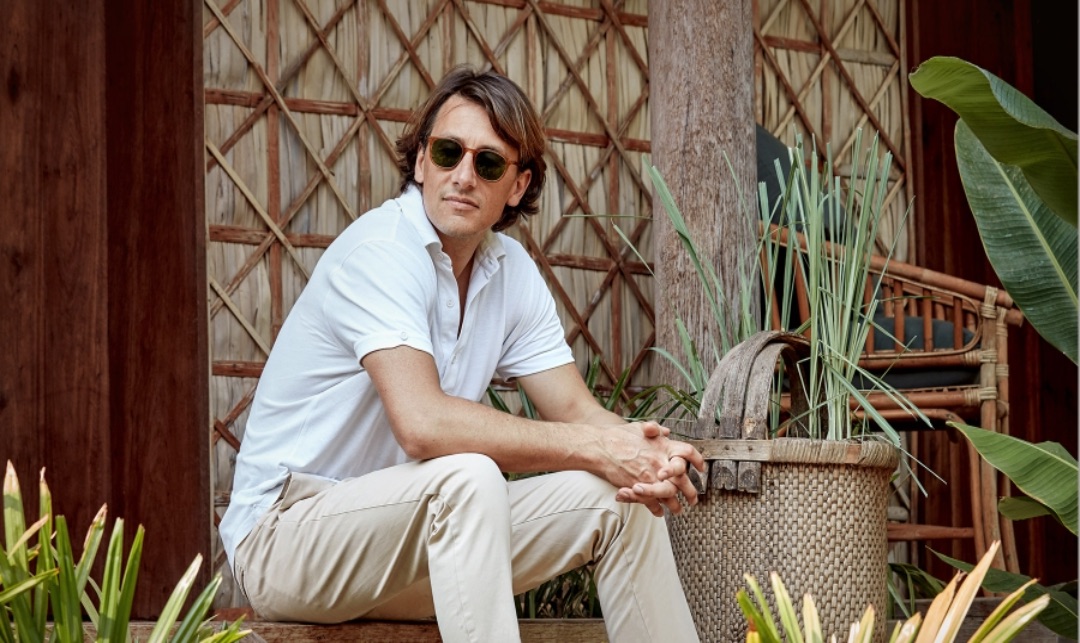


























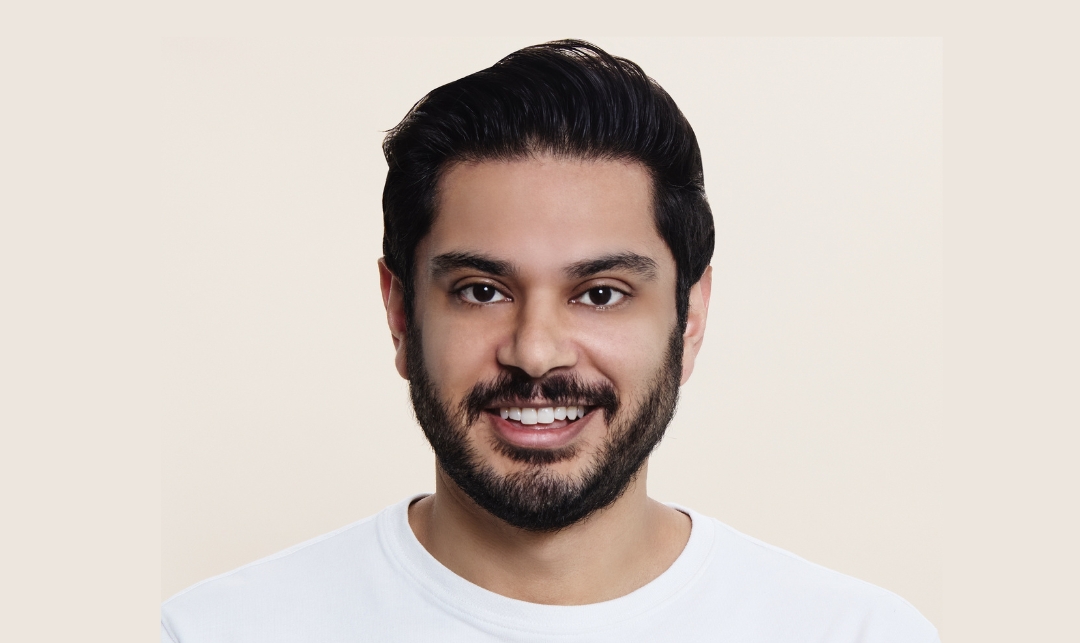
From Casper to Jinx, Sameer Mehta has helped launch consumer brands that broke through not because they had the biggest budgets, but because they had the best stories. Now, with Smash Kitchen—already Walmart’s biggest condiment launch in three years and a $5M hit since April—he’s bringing that playbook to the way America eats at home. In this Q&A, Sameer shares why ketchup needed reimagining, how collaboration with Glen Powell and Sean Kane created the “perfect triangle” of skills, and why the future of food belongs to brands that balance clean ingredients with affordability.
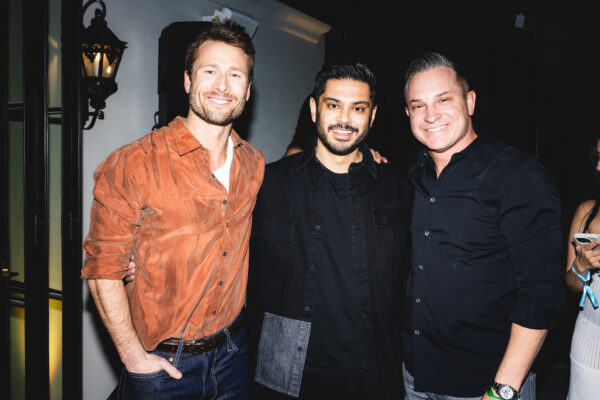
Mehta with Smash Kitchen partners Glen Powell and Sean Kane
YOU’VE HELPED BUILD DISRUPTIVE CONSUMER BRANDS BEFORE. WHAT LESSONS FROM THOSE EXPERIENCES DID YOU BRING TO SMASH KITCHEN, AND WHAT FEELS DIFFERENT ABOUT THIS VENTURE?
I’ve learned that the brands that break through aren’t the ones with the biggest budgets, they’re the ones with the best story. At Jinx and Casper, we showed that if you can connect emotionally with people, they’ll follow you into categories they hadn’t thought about before. With Smash Kitchen, we’re taking that same playbook into food, but what feels different is the canvas; it’s not just a product, it’s an invitation into the way America eats at home. That’s a much bigger, more personal story to tell.
SMASH KITCHEN LAUNCHED IN PARTNERSHIP WITH GLEN POWELL AND SEAN KANE. WHAT DREW YOU TO COLLABORATE WITH THEM, AND HOW DO YOUR SKILL SETS COMPLEMENT EACH OTHER?
What drew me to Glen and Sean is that they’re both natural storytellers and company disruptors. Sean has this deep experience in building brands such as The Honest Company and Hello Bello that broke through at retail, and Glen knows how to bring cultural relevance and personality to everything he touches. My background is in scaling disruptive consumer products. Together, it’s a great triangle: operations, storytelling, and cultural spark. That combination gives Smash Kitchen the opportunity to win in the aisle and the charisma to live beyond it.
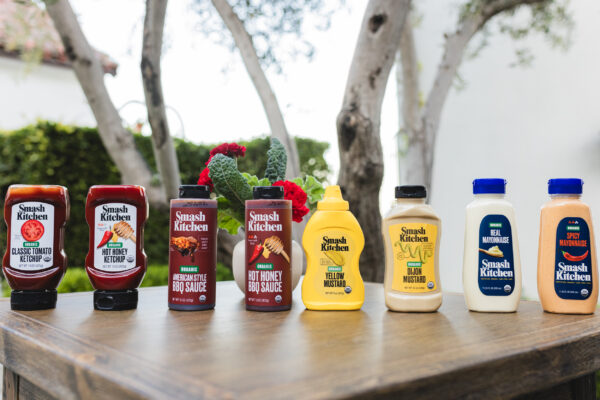
The Smash Kitchen Product Line
SMASH KITCHEN IS ALREADY WALMART’S BIGGEST CONDIMENT LAUNCH IN THREE YEARS AND HAS SURPASSED $5M IN RETAIL SALES SINCE APRIL. WHAT DO YOU THINK FUELED THIS KIND OF EXPLOSIVE EARLY SUCCESS?
We launched with three advantages: premium ingredients at mass prices, national distribution from day one, and cultural storytelling that actually resonates. Most ‘better-for-you’ brands choose one or are only able to manage one at the beginning. We had the team, the backing and the know-how that allowed us to not have to compromise on any of them. Walmart saw a brand that could finally bridge the gap between what consumers want and what they can afford. Plus, condiments are one of the most used items in the pantry.
Ketchup alone hit $1M in sales—why do you think consumers are responding so strongly to your version of such a classic staple?
Ketchup is one of the most universal pantry staples, but it hasn’t been reimagined in decades. Consumers are responding because we took something familiar and rebuilt it with organic, cleaner ingredients without losing the flavor they grew up with. It feels classic, but better.
YOU’RE ALREADY OUTPACING PRIMAL KITCHEN IN UNIT VELOCITY AND DOLLAR VOLUME NATIONALLY. HOW DID YOU MANAGE TO BREAK INTO SUCH A COMPETITIVE CATEGORY SO QUICKLY?
We broke through because we didn’t just sell condiments, we sold a brand that feels relevant. Primal Kitchen leaned heavy on function; we leaned into flavor, fun, and accessibility. That’s why we’re moving faster; it feels less like a niche health product and more like a staple everyone wants in their pantry.
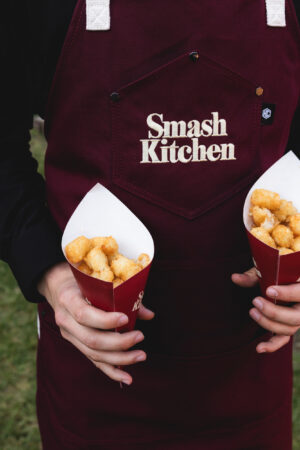
A photo from Smash Kitchen’s LA Launch
SMASH KITCHEN SITS RIGHT AT THE INTERSECTION OF SEVERAL CULTURAL SHIFTS—PUSHBACK ON ULTRA-PROCESSED FOODS, DEMAND FOR CLEAN-LABEL PRODUCTS, AND AFFORDABILITY. HOW DO YOU SEE THOSE FORCES RESHAPING THE PACKAGED FOOD INDUSTRY?
The packaged food industry is being reshaped by the simple idea that people shouldn’t have to choose between clean and affordable. Consumers are rejecting ultra-processed, but they’re also rejecting $8 ketchup. The future belongs to brands that can deliver both.
YOU’RE ALREADY IN 4,000+ RETAIL DOORS, WITH NATIONAL EXPANSION AND FOOD-SERVICE PARTNERSHIPS AHEAD. WHAT’S THE NEXT CHAPTER FOR SMASH KITCHEN?
We are exploring a number of things from a robust product roadmap, expanded retail, really exciting partnerships in major leagues and food service. I think there’s a real opportunity for us to expand into fast-casual. Our goal is to take clean, premium ingredients and make them accessible to everyone wherever you are.
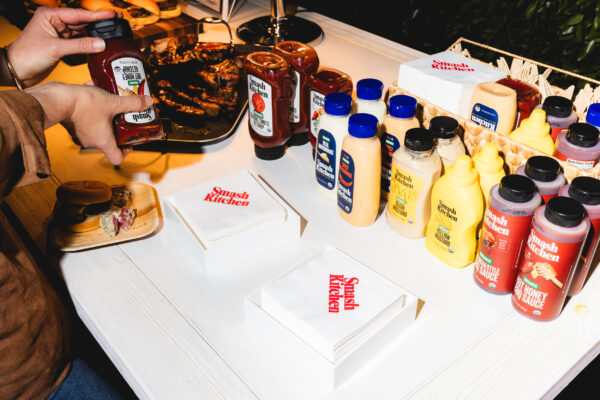
Smash Kitchen products at the company’s LA Launch
WHEN YOU THINK FIVE YEARS OUT, WHAT’S YOUR VISION FOR WHERE SMASH KITCHEN SITS IN THE FOOD LANDSCAPE?
In five years, I want Smash Kitchen to be the modern American pantry. We’ll be known for taking the everyday foods people love and proving they can be just as craveable with better ingredients and without the price penalty. That shift where health, flavor, and accessibility coexist is where the future of food is headed.
FINALLY, WHAT ADVICE WOULD YOU GIVE TO ENTREPRENEURS TRYING TO BREAK INTO THE FOOD AND BEVERAGE INDUSTRY?
I’d tell anyone breaking into food and beverage that it’s a balancing act: your product has to taste amazing, your unit economics have to work, and your brand has to tell a story people want to be part of. The category is brutally competitive, so you can’t cut corners on any of those. But if you focus on building something people genuinely crave, and you package it in a way that feels relevant, you’ll find whitespace even in a crowded aisle.