































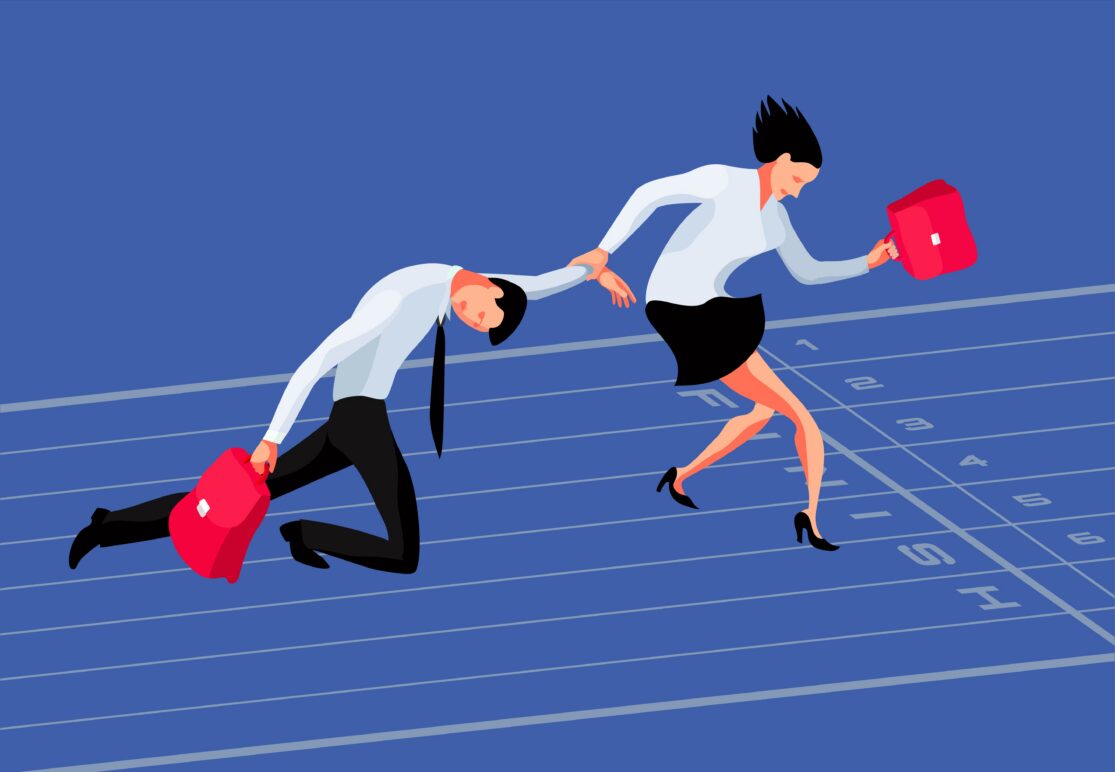
At some point in your career, you probably made a decision, without even realising it, that exhaustion was the price of ambition. If eight hours of work a day is good, then ten is better and twelve makes you really important. Rest was something you earned, not needed, and somewhere along the way running yourself ragged became your status quo. The senior leaders who sustain high performance are not the ones who work the hardest. They are the ones who have figured out something that runs counter to almost everything corporate culture rewards. That energy, not time, is the real currency of leadership. And protecting it is not a weakness. It’s the work.
The Myth of the Grind
Many executives are operating below their best and have been for long enough they have stopped noticing. The signs are not dramatic. The work that once energised you becomes something you move through. Decisions that should be straightforward take longer than they should. Small frustrations land harder than they deserve to. You tell yourself it’s just a busy period. Usually it isn’t. It’s the sign of a depleted person.
The instinct, when this happens, is to push harder. To find more hours, tighten the schedule, eliminate the slack. But that instinct is often unhelpful, and the research is unambiguous on this point. A 2022 study published in Nature Human Behaviour found that sustained cognitive effort causes measurable changes in brain chemistry. Specifically in the prefrontal cortex, the region responsible for judgment, strategic thinking, and complex reasoning. This leads to a degradation on performance that only rest can reverse. You cannot think your way through depletion or will your way to better decisions. The brain has a ceiling and no amount of discipline moves it. What moves it is rest. Not as a reward for finishing, but as a condition for performing.
A Poor Assumption
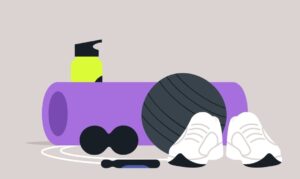
There is a deeply embedded assumption in many workplace cultures that work and rest are in competition. That time spent not working is time lost. This assumption is incorrect and it is costing organisations far more than they realise. Hard work and rest are not opposing forces. They are collaborative partners. Elite athletes dedicate a large proportion of their training to recovery. The science of performance has known for years what business culture is still reluctant to accept: that the quality of your output is determined not just by the effort you bring, but by the state you are in when you bring it.
Matthew Walker’s research at UC Berkeley established that sleeping fewer than seven hours consistently produces cognitive impairment equivalent to being legally drunk, with particular damage to the executive functions that define senior leadership. The leaders who ignore this are not more committed than their peers. They are simply less effective. Choosing to invest in genuine recovery means you are not stepping away from work. You are engaging in activities that make you happier, healthier and your mind work better.
The Practical Shift
The practical shift here is not complicated, but it is uncomfortable, because it requires you to stop wearing your exhaustion as a credential. It means building recovery into your schedule with the same seriousness you bring to a board meeting. Rest is not something you are given. It is something you take. Which means being honest about the signals your body and mind are already sending you: the fading enthusiasm, the shortened fuse, the creeping reluctance to engage with anything genuinely difficult. These symptoms are not character flaws. They are data. And they are telling you something important about how you are working, leading and living. You cannot lead well if you do not rest well.
That is not a lifestyle observation. It is a performance statement. Being present, clear headed able to manage complexity and being able to find calm amidst the chaos, makes you a fundamentally different leader to the one running on five hours sleep and coffee. One of the most important things you can do for your leadership right now may not be on your to-do list at all. It may be the thing you keep moving to the bottom of it.
Build a practice of regular rest and renewal. Take it seriously, and protect it from a world that is determined to steal it away from you.
Andrew Horsfield, author of Better, is a consultant who helps leaders in business, elite sport and education tackle the challenges of human performance. Clients turn to Andrew when they need to turn stuckness into strength. He is the host of the Messy Middle podcast and founder of the Better Life Lab. A learning community for forward thinking leaders. Find out more at: andrewhorsfield.com