
























LOS ANGELES, CA — In an era defined by AI-generated “slop” and an endless bombardment of digital noise, the most radical thing a media brand can do is tell its audience to put their phones away. LOST iN, a global travel and lifestyle powerhouse with a digital footprint of 12 million fans, is doing exactly that. Positioned at the sharp intersection of travel, culture, and high-end lifestyle, the brand is redefining curation for the 2026 traveler by pivoting from a “URL-first” strategy to an “IRL-centric” community model. In doing so, they are proving that the future of hospitality isn’t just about selling a bed or a meal, it’s about owning the narrative of the experience.
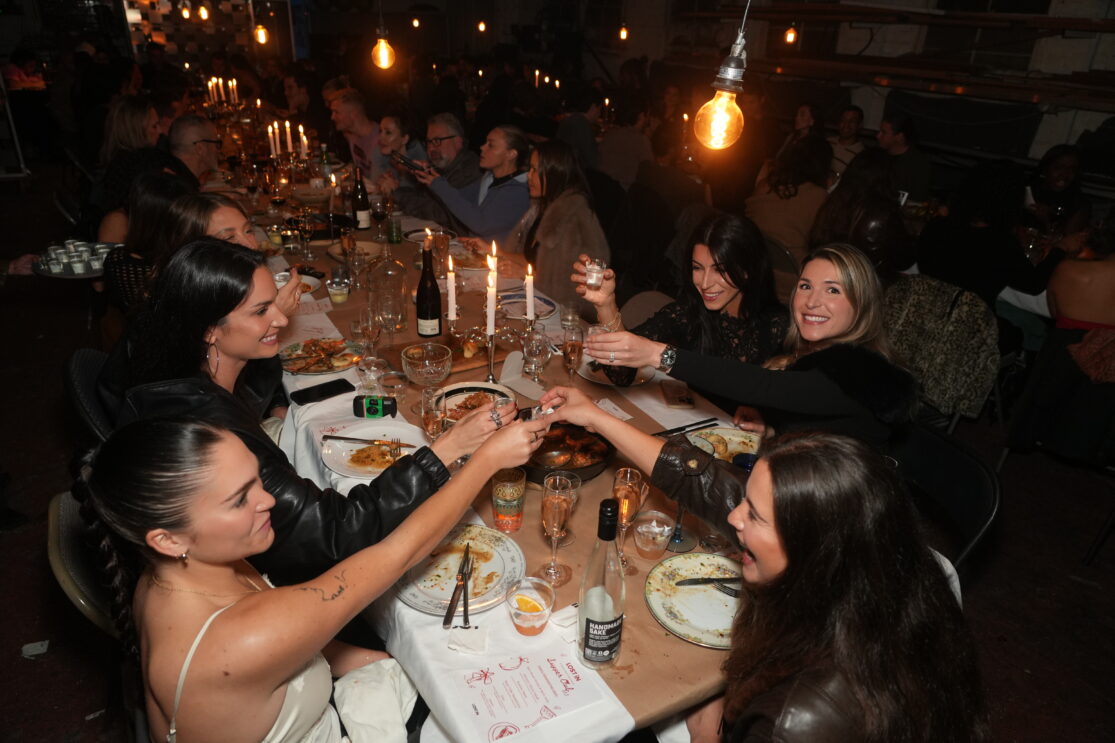
To bridge the gap between digital discovery and real-world connection, LOST iN has established a two-pronged event ecosystem designed to cultivate community at every level of the hospitality landscape. This strategy is anchored by The Hideaway, a monthly B2B dinner series in Beverly Hills that serves as an intimate “think tank” for hospitality groups, tourism boards and industry leaders to shape the future of travel, and complemented by The Supper Club, an invite-only B2C phenomenon that has quickly become one of the most coveted seats in Los Angeles. By transforming a 120-person, family-style musical dining experience into a high-energy “ritual” that sold out in mere days, LOST iN is proving that the ultimate luxury is a curated, physical space where the “Premium Economy” audience can move from URL to IRL.
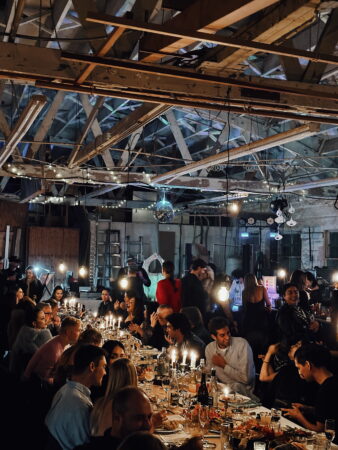
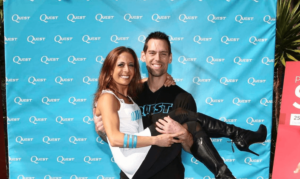
LOST iN Supper Club Experience
LOST iN isn’t building this world alone; they are curating a physical ecosystem for independent and locally grown labels that typically exist only in a digital feed. Through recent collaborations with brands like Los Siento Tequila, Sake High, Graza Olive Oil, and Vacation Inc, Sunscreen, they are allowing “click-to-buy” brands to transition into a sensory experience where the consumer can see, feel, and taste a brand’s identity. For LOST iN Founder and CEO Jonathan Skogmo, these physical footprints are a necessary evolution in a world dominated by algorithms.
“We live in an incredibly noisy, digital world where we are constantly bombarded by content and AI,” says Skogmo. “But you can’t download a feeling. Seeing and feeling things in person is the ultimate escapism; it is the most effective way to build real connections through in-person events. At LOST iN, we are building a community footprint where the digital story is simply the invitation to the real-world experience.”
As hospitality groups look to capture the attention of the mindful, millennial traveler, the LOST iN model offers a masterclass blueprint for the modern era. By treating physical locations from the intimacy of a Beverly Hills hideaway to the scale of global tourism boards—as “sets” for human connection, the brand is effectively closing the gap between digital discovery and lasting memory. They aren’t just at the forefront of the zeitgeist; they are the ones redefining it. Skogmo sums up this vision perfectly: “In 2026, attention is the most expensive commodity on earth, but you can’t build a brand on a fleeting click. Digital is the invitation, but physical is the relationship. At LOST iN, we believe that while an algorithm can show you the world, only a curated, real-world ritual can make you feel a part of it and in the experience economy, the feeling is the only thing that doesn’t expire.”