




















America is in the middle of a slow-motion health crisis, and most people don’t even realize it. Movement has become optional, a “nice to have” if there’s time. Meanwhile, inactivity is quietly destroying us physically, mentally, and financially. Our healthcare system is collapsing under preventable conditions, and our kids are growing up less active and less healthy than any generation before them.
Here’s a stat that should stop everyone in their tracks: Kids today spend less time outdoors than inmates in maximum-security prisons. Less fresh air. Less movement. Less life.
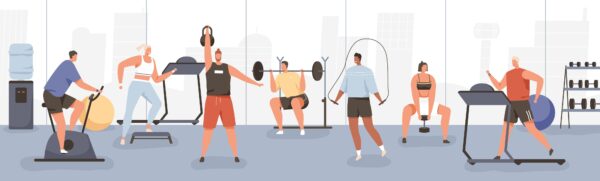
Now look at the Blue Zones, regions where people live the longest, healthiest lives. They move because life demands it. Walking. Lifting. Playing. Socializing. Movement isn’t a chore; it’s built into their day. That’s the difference. That’s why they outlive us.
After spending decades in the fitness industry building ways to make movement more accessible and appealing for real people, I’ve learned that movement takes momentum. It’s a catalyst for a healthy lifestyle. I’ve seen what it can do: stronger bodies, better sleep, clearer minds, more resilience. And I’ve seen what happens when we take it out of the equation.
Fitness brands can make an impact, but this crisis is bigger than any one company. We need a real movement, one that puts fitness where it belongs: at the center of America’s health strategy.
That’s why I’m calling for a national initiative to Make America Move Again: MAMA.
Inspired by the Make America Healthy Again initiative, MAMA is about one thing: getting more Americans moving, more often, in ways that fit their lifestyles.
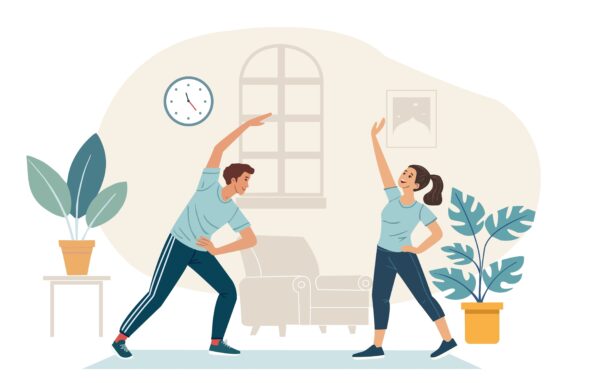
This is a call to action for government, business, schools, studios, everyone stepping up to make movement the foundation of our national health plan.
Because here’s what we’re up against:
- 70% of kids don’t get enough physical activity.
- Only 3% of adults know how much exercise they need.
- Less than 1 in 4 people hits the bare minimum recommended.
- Meanwhile, 77% of the country is overweight or obese.
So how do we turn it around? Movement that lasts requires two things: education and execution.
First, education. People don’t move because they’re lazy. They don’t move because no one taught them how or why. We need nationwide public awareness campaigns delivering clear, tangible, and practical guidance on fitness, tailored specifically by age and gender, not vague advice.
Second, execution. It’s not enough to say “go work out.” We have to make movement accessible, convenient, and appealing. At Sequel Brands, that’s the work we’re doing. The “one-size-fits-all” gym model simply doesn’t work anymore. People need choices that meet them where they are—fast, flexible, effective options that fit real life. Sequel is diverse by design, offering Pilates, EMS training, assisted stretching, infrared, all under one umbrella so there’s no excuses to not get moving.
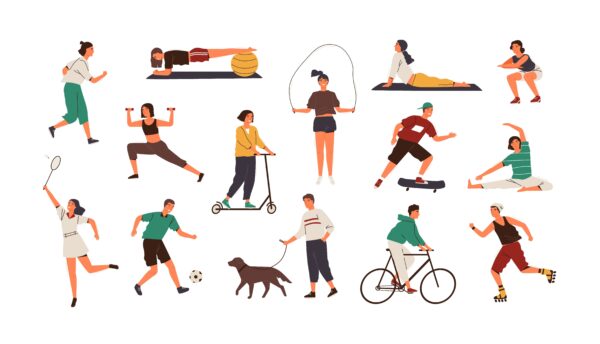
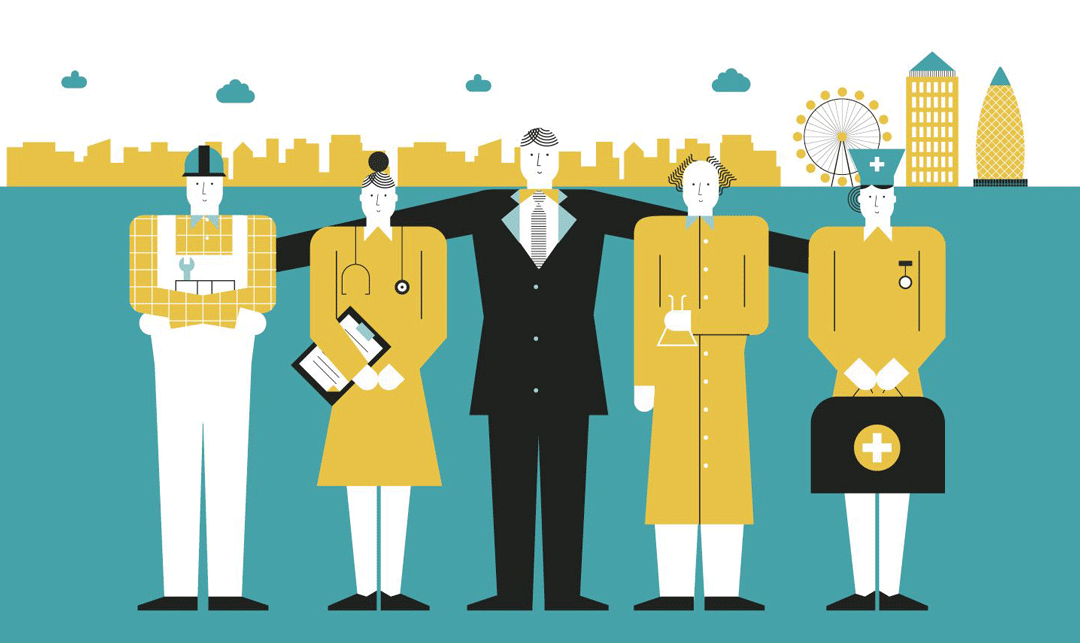
But no single company can solve this alone. It will take a unified push from policymakers, educators, business leaders, and communities.
Here are five steps we can take right now to make movement part of the solution:
- Bring back PE and fund after-hours school fitness programs
- Subsidize gym memberships through tax credits
- Turn public spaces into movement zones
- Cover fitness under federal health programs
- Create a National Fitness Industry Board of Leaders to bring industry and government together
This next chapter is about prioritizing fitness and movement for our country. A five-, 10-, 15-year plan to continue to push fitness into the White House, into the mainstream, to make America move again. Because until movement is treated like health care, we’re just managing symptoms, not solving the problem.
We don’t need more studies. We need more action. And that requires leadership.
CEOs, parents, teachers, coaches—it’s on us. Lead by example. Build the momentum. Make America move again.
Let’s be the generation that didn’t just talk about health, but actually moved the country forward.
Anthony Geisler is the innovator behind some of the largest boutique fitness franchising companies in the world. His portfolio includes well-known brands in cycling, rowing, stretching, and yoga, among others. With a goal to open more than 500 franchises yearly over the next five years, Geisler continues to shape the future of the fitness industry.