





































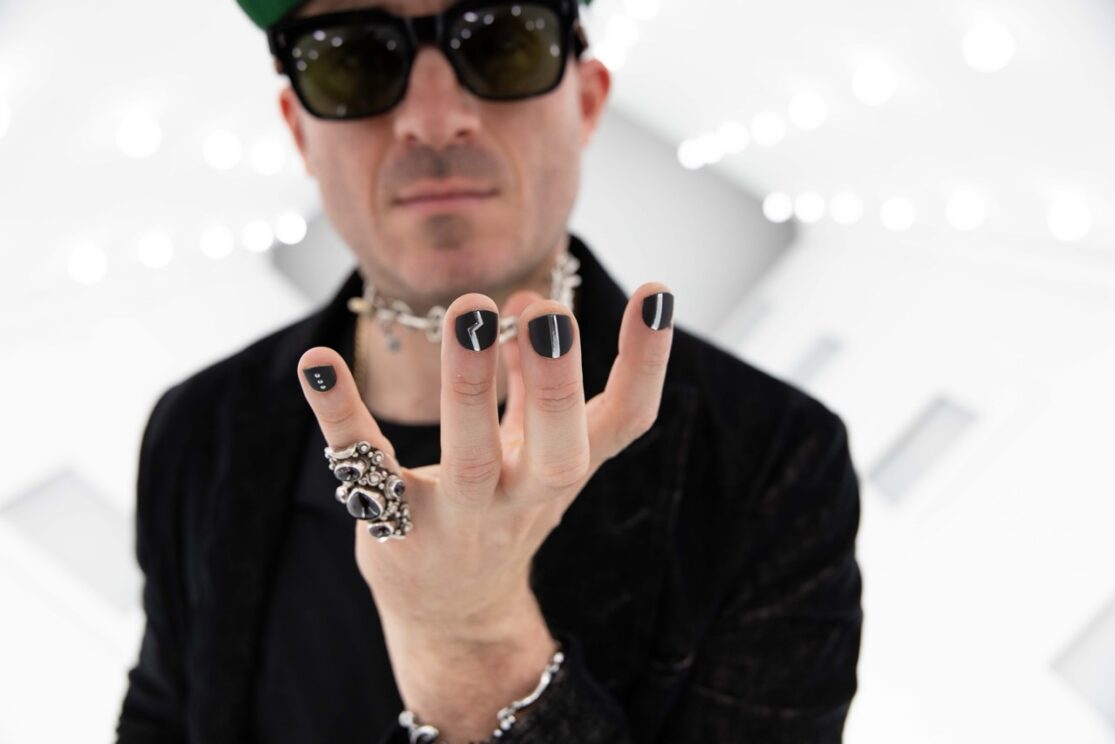
Founder Sasha Dash painted his nails before Burning Man, the annual gathering in Nevada’s Black Rock Desert built around radical self-expression. The conversations that began there stayed with him longer than the gesture did, and so, when he returned home he went looking for ways to recreate that experience. When Sasha came across press-on nails he thought he’d found the perfect product, but there was just one problem: they didn’t exist in men’s sizes or shapes. Though he was nineteen years into a corporate career, earning about half a million a year, the potential of building something completely new to fill a massive market gap was a eureka moment that was impossible to ignore. He left to build Talons.
A Market Hiding in Plain Site
Men’s grooming has spent two decades proving a thesis. Skincare made the jump first, then hair, then beard care, each one arriving after somebody finally built the product for the customer. The category is worth $64.6 billion globally today and is on track to reach $90 billion by 2034.
Nails never made that jump. For most of those twenty years the industry read the silence as absence of demand. A New York company called Talons read it differently. They saw an absence of product, and the difference between those two readings is where new categories come from.
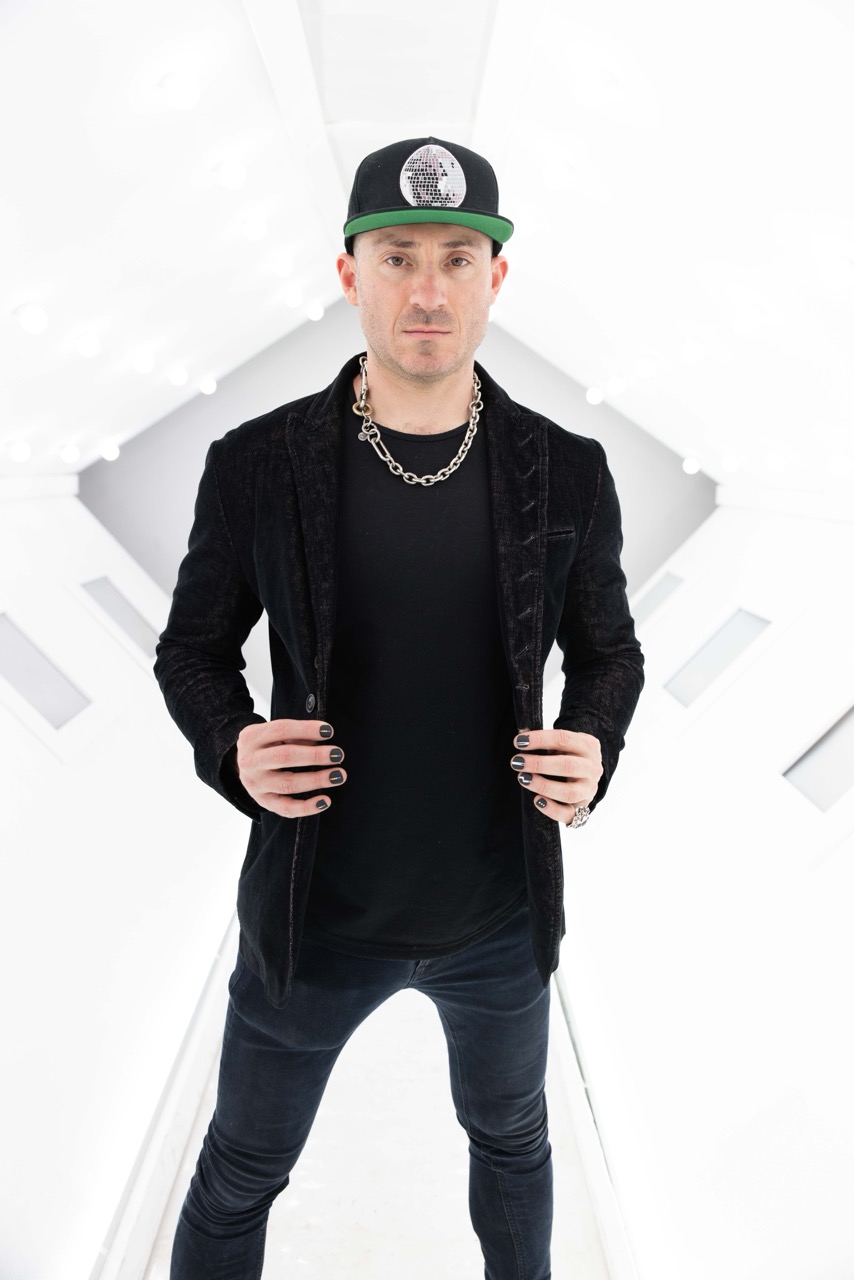
Talons Founder, Sasha Dash
Building the Product That Didn’t Exist
Nail care never excluded men on purpose. It was built for somebody else and never revisited. Salons filled their chairs without needing to ask who else might walk in, and press-ons were molded to the proportions of women’s hands, which left a man who wanted to try them choosing between a bad fit, a long nail, or nothing at all.
Getting the mold right meant going and finding the hands. Dash and his team approached men in public and asked whether they could measure their nails with calipers. They gathered hundreds of sets of measurements before running the analysis. The mold came back correct on the first attempt. It fits 95 percent of men’s hands. The packaging took as much thought as the product: Talons are designed to be trimmed to a man’s natural nail length, and every set ships with thirty nails offering fifteen options per hand, plus a clipper, a file, an alcohol wipe, and a reusable tin.
One year later, what the company shipped is a nail cut wider, flatter, and shorter than anything else on the shelf. With the adhesive already applied, Talons give five to ten days per wear, and have enough durability to be reused two to three times. Sets run $35 to $50. Spare adhesives are included for reuse.
When a market looks like it has no demand, I ask whether anybody has ever actually built for it. Plenty of categories that now look inevitable spent years described as niches with no customer, until somebody built the thing properly and the customer turned out to have been waiting. The sales figures look identical either way. That is what makes the mistake so easy to keep making.
Direct-to-Consumer Changed the Equation
The distinction matters more now than it did a decade ago, because the cost of testing it has collapsed. Through our work together at SHOPLINE, I have watched the Talons team build and run their own storefront: selling directly to their customer on modern commerce infrastructure. A launch like this once needed a large company’s product division behind it, or a retail buyer willing to give up shelf space. It doesn’t anymore, and I do not think most incumbents have absorbed what that means.
Direct access changes the question. A founder who reaches the customer with no buyer in between only has to answer whether the product is right. That is a harder test than convincing a buyer, and a fairer one. It also compresses the feedback loop: Talons hears from the person holding the product, not from a merchant’s returns report six months later.
Most of my conversations with merchants now are about what comes after the storefront: advertising, design, fulfillment, the work that used to mean putting an agency on retainer. Talons needed very little of it. A founder who knows what he is making and who wants it can skip a great deal of what the rest of the industry still treats as mandatory.
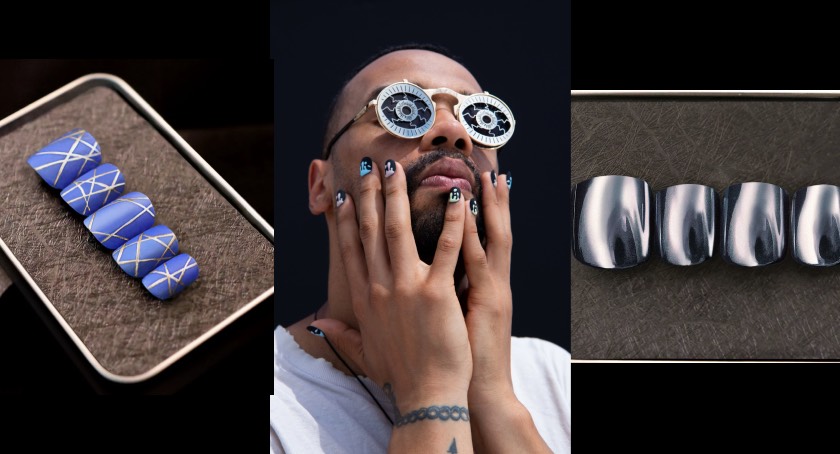
Selling directly also corrected the company’s own assumptions. Nail art carries a persistent misconception that it belongs mainly to a younger generation or to queer communities. Both are strongly represented among Talons’ customers. So is a group nobody predicted. The primary buyer turned out to be creative, expressive men between 25 and 45, with the top-selling designs running from classic matte black and metallic chrome through Pride-inspired graphics. More than 10,000 orders have shipped since launch, and more than 15 percent of Talons’ customers have come back for another set. For a product most people assumed nobody wanted, that repeat rate is the number worth watching.
Building Trust into the Product
Two other decisions deserve attention from any founder going first. The first is that Talons built its mission into the product itself. Five percent of profits go to organizations supporting men’s mental health, a commitment sitting inside the economics where it survives a bad quarter. The second is that the company treated trust as a product feature. A category with no precedent gives a first-time buyer no way to calibrate, so Talons built the reassurance in: a 100% satisfaction guarantee, and service good enough to show up in the reviews. In a new category those things carry the sale.
Creating a category is harder than entering one. You carry the cost of educating the market, and it is always good to see others jump in afterward, especially more established companies, because they add scale and visibility the first mover could never buy on its own. The brand that got there first usually keeps the association anyway. The sequence Talons chose, product first, direct relationship second, story third, would be smart for any founder in this position to consider. Most category attempts I see run it backwards.
New categories look strange right up until the day they look obvious.
Top: Talons Founder Sasha Dash
Christopher Yang is Co-President of SHOPLINE, a global commerce platform powering brands across North America, Asia, and beyond.