

































We love a kid with a lemonade stand. We take pictures. We buy the overpriced lemonade. We tell our friends how entrepreneurial they are. We smile as they make their little sign, determine their price, convince the neighbors to buy, count their money and decide what they’re going to do with their newfound fortune. Look at our little mogul.
But somewhere between the lemonade stand and the NIL campaign, our enthusiasm gets complicated. Now there are contracts. Content. Brand deals. Deliverables. Taxes. Licensing. Social media. Maybe an agent. Maybe a lawyer. Maybe a production schedule. And understandably, a lot of parents are asking: Can’t kids just play?
As a recovering C-Suite sports & entertainment executive turned crazy-loud basketball mom who somehow also became an unpaid social media manager for the team, I understand the question. Absolutely, let them play. Let them have fun. Let them be kids. But if their name and likeness have become assets, let’s teach them what that actually means, what those assets are worth—and how to know their value without ever confusing it with their worth.
Because whether we are entirely comfortable with it or not, the business of sports is no longer waiting until athletes become professionals to introduce itself. And maybe that isn’t entirely a bad thing.
The Real World Showed Up. It Looks Like a Brand Deal.
We spend a lot of time complaining that our education system doesn’t teach young people enough about the “real world.” Why don’t schools teach kids how to do their taxes? Why don’t they understand credit? Why don’t they know how to negotiate? Why aren’t we teaching entrepreneurship, investing, contracts and financial literacy?
We keep saying schools don’t teach enough real-world skills. Then the real world shows up, and we’re uncomfortable because it looks like a brand deal.
To be clear: I don’t want childhood to become a business. I want kids who find themselves in the business of sports to understand the business they’re in. That’s a very different proposition, and it may be one of the most interesting opportunities created by NIL—Name, Image and Likeness.
NIL is usually discussed in terms of money: who is getting paid, how much they’re getting paid, which programs have the biggest budgets and whether all of this money is good or bad for college and youth sports. But the check may be the least interesting part of the education.
The NIL check isn’t the education. Everything young athletes have to understand to responsibly earn, manage and leverage that check is.
The NIL Mini MBA: Learning Business UNAPOLOGETICALLY®
Think about what can happen when a young athlete enters into even a relatively simple brand partnership. They have to understand why a company wants to work with them. That’s marketing. They have to understand what they’re being asked to do and what the company expects in return. That’s a deliverable. They may have to negotiate how much their time, audience or likeness is worth. That’s valuation and negotiation.
They also have to understand where and how a company can use their photograph, video, name or likeness. That’s licensing and intellectual property. They may have to create a video, participate in a photo shoot or develop social content. That’s production and creator culture. They have to show up when they said they would, meet a deadline and deliver what they promised. That’s professionalism. Then somebody has to get paid, manage the money and, yes, eventually pay taxes on it. That’s financial literacy.
But I’d take the curriculum even further. A young athlete can decide to use some of what they earn—or the attention they command—to support a cause they care about. That’s philanthropy. They can identify a problem in their community and build a business, product, program or platform designed to help solve it. That’s social entrepreneurship. They can learn that making money and making an impact aren’t mutually exclusive. Sometimes the most interesting enterprises are built at the intersection of both.
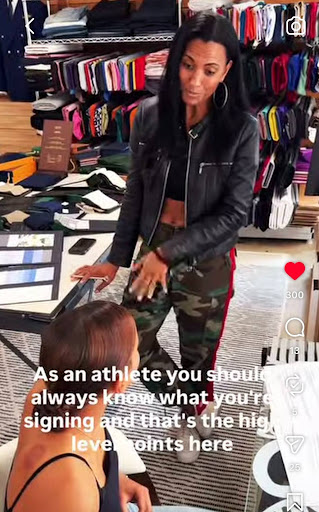
That’s purpose meeting enterprise.
And somewhere along the way, they should begin learning the difference between income and wealth, compensation and ownership, getting a check and building something that has value beyond the transaction. That’s a pretty good business curriculum. In fact, NIL might be a Mini MBA for our Mini Moguls.
Not because every kid with an Instagram account needs a brand deal. Not because every talented young athlete needs to be monetized. And certainly not because the size of a child’s NIL valuation should become another youth-sports scoreboard. But because young people can learn how economic systems work by actually participating in them.
Increasingly, the research supports something parents have probably known forever: sometimes you learn better by doing. A 2025 systematic review of entrepreneurship education found that experiential and active learning approaches were particularly effective at developing entrepreneurial qualities including creativity, innovativeness and risk-taking. Another systematic review found that experiential entrepreneurship education—essentially, learning by doing—can positively contribute to entrepreneurial skills and competencies.
One study went even further. Researchers examined 1,048 students in 35 experiential learning environments across three countries, collecting nearly 11,000 learning experiences. They found that different forms of experiential entrepreneurship education produced different outcomes in entrepreneurial competencies, knowledge, skills, motivation and engagement.
Which makes sense. You can explain negotiation, or you can negotiate. You can define intellectual property, or you can have someone ask for the right to use your face. You can teach marketing, or you can figure out why anybody should buy what you’re selling.
NIL makes some of those lessons real.
Sometimes You Have to Get Out of the Shot
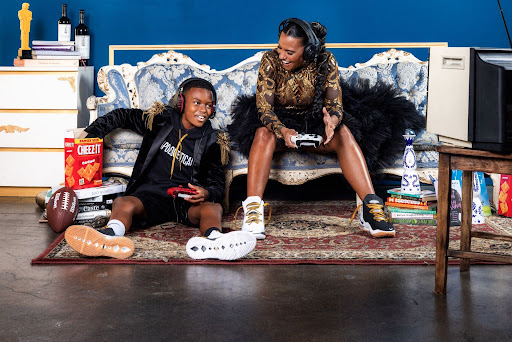
I’ve watched this learning curve happen in real time with my own son. In July 2024, Christian was not particularly comfortable talking to a camera for his NIL content. And nothing makes a teenager more natural on camera than his mother standing nearby telling him to “just be yourself.”
So I stopped.
I gave him two or three bullets, told him the shots and pictures we needed, and left him alone to figure out the rest. What came back surprised me. He didn’t deliver my version of the content. He made it his. I edited it and added the graphics, but he had figured out how to communicate the message in his own voice.
That’s not just content creation. That’s reading a brief, understanding an objective, making creative decisions and delivering against it without losing yourself in the process. Fast-forward to October 2026, and I can see the evolution. Somewhere between those two pieces of content, he wasn’t simply getting more comfortable on camera. He was learning how to take direction, interpret an assignment, make creative choices and represent himself.
Nobody handed him a textbook. He learned by doing.
And actually, he’d been giving me clues for years. During one of our annual holiday shoots, Christian decided he wanted to wear one of my UNAPOLOGETICALLY® hoodies. His idea, not mine. Apparently, my little brand ambassador had already figured out product placement.
And, for the record, I did not pay his influencer fee.
From Exposure to Participation
There’s another reason this feels familiar to me. Five years ago, I wrote about carrying my then-3-year-old son through Staples Center during a Sparks game while I was President & COO—in five-inch heels, no less. He was sick. He wanted his mom. And his mom happened to be running a professional basketball organization with a game happening around her.
At the time, I wrote about the value of allowing our children into our professional worlds. I believed then that our children learn by watching us work: how we communicate, how we solve problems, how we treat people, how we handle pressure and how we lead.
I still believe that. But he’s older now, and somewhere along the way, the assignment changed.
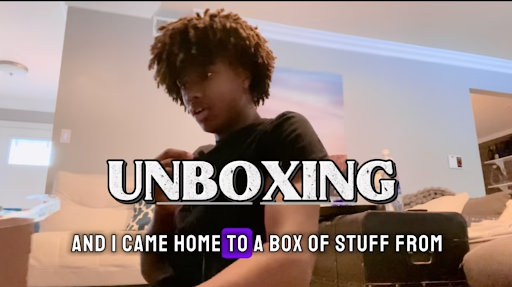
Exposure became participation.
It’s no longer enough for our kids to simply see how the business works. When opportunity presents itself, we get to teach them how to work the business. Not do it for them. Teach them. There’s a difference.
Almost immediately after NIL arrived, student-athletes were telling us they needed help navigating it. The young athletes themselves are telling us they need help. In a 2021 NCAA survey of 9,808 student-athletes, 42% of men’s-sports participants and 39% of women’s-sports participants said they wanted more educational resources for navigating NIL opportunities. Forty-nine percent of men and 50% of women wanted more education about taxes; 43% and 46%, respectively, wanted more financial-literacy resources.
We have handed young athletes access to an economic ecosystem that includes brands, agents, contracts, content, taxes, licensing and intellectual property—and then sometimes act surprised when they don’t instinctively know how all of it works.
They’re kids. Of course they don’t.
That’s where we come in. Parents, coaches, schools, leagues, agents, brands and the rest of us building this new sports economy have an opportunity to make sure the education grows alongside the opportunity.
We don’t have to. We get to.
If a young athlete signs a deal, don’t just celebrate the check. Show them the contract. What does exclusivity mean? What rights are you licensing? How long can the company use your image? Who owns the content after it’s created? What happens if you don’t deliver? What happens if they don’t pay? How much goes to taxes? How much should you save? Could some of it support something you care about? Could this one transaction eventually become a product, a company, an investment or an asset you own?
What are you building that lasts after this campaign ends?
Those questions aren’t stealing childhood. They’re preparing a young person for adulthood.
Protect the Joy. Teach the Business.
There are legitimate reasons to be cautious about the commercialization of youth sports. Adults can exploit kids. Parents can become overly invested. Social media can turn popularity into a dangerous proxy for value. The pressure to perform can move from the court or field onto a phone screen. And not every young athlete needs—or should want—to become a content creator or entrepreneur.
Protecting the joy matters. But protecting young people from exploitation does not require protecting them from understanding economics.
We can do both.
Let them play. Let them have fun. Let them be kids. And while they’re doing it, teach them what a contract means. Teach them why their image has value. Teach them the difference between revenue and profit. Teach them why a company wants access to their audience. Teach them what they’re agreeing to before they sign their name. Teach them that followers aren’t the same thing as customers, and income isn’t the same thing as wealth. Teach them that business can create value for themselves and for other people.
Know your value. Don’t confuse it with your worth.
Teach them the game. And teach them the business of the game they love.
Because maybe the lemonade stand was never really about the lemonade. It was about giving a child an opportunity to experience an economic system on a scale they could understand. They had a product. They set a price. They marketed it. They served a customer. They collected revenue. And hopefully somebody made them put a little of it in savings.
NIL may simply be a modern—and admittedly much more complicated—version of that early lesson. The stakes are bigger. The contracts are real. The classroom is larger.
Our job isn’t to do the business for them. Our job is to give them the tools, the guardrails and eventually enough room to do it themselves.
Because raising Mini Moguls isn’t about teaching kids to chase the money. It’s about teaching them to understand the business—UNAPOLOGETICALLY®.
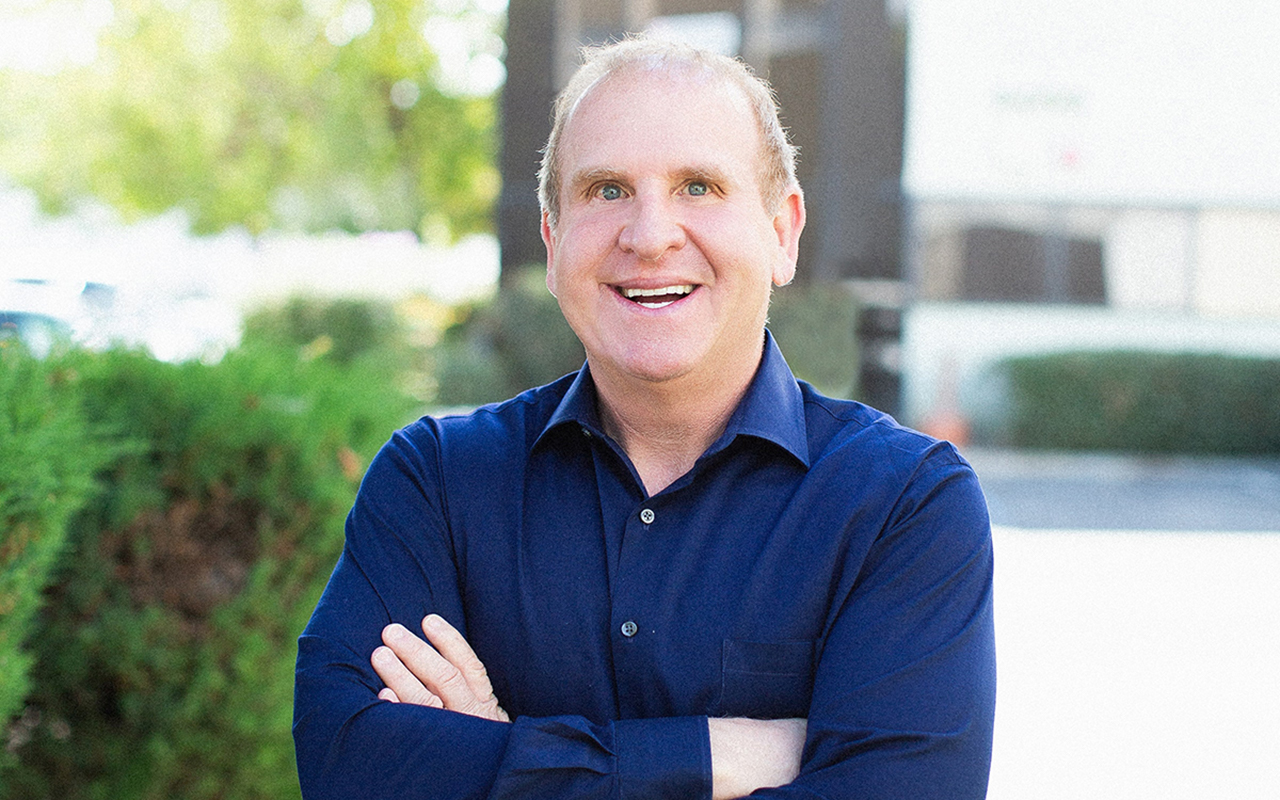
Christine Simmons is an accomplished COO, business executive, and board director with 20+ years’ experience devising strategy and leading transformational change for iconic B2B/B2C leaders: Academy of Motion Picture Arts and Sciences, Los Angeles Sparks, NBCUniversal Inc., The Walt Disney Company, and Magic Johnson Enterprises.